Eco-Friendly Photography: Capturing the World While Saving It
In a world increasingly conscious of its environmental footprint, photography is not exempt from scrutiny. While the art of capturing images seems innocuous, the equipment and processes involved can leave a significant carbon footprint. So, how can photographers, both amateur and professional, tread more lightly on the earth while still creating stunning images?
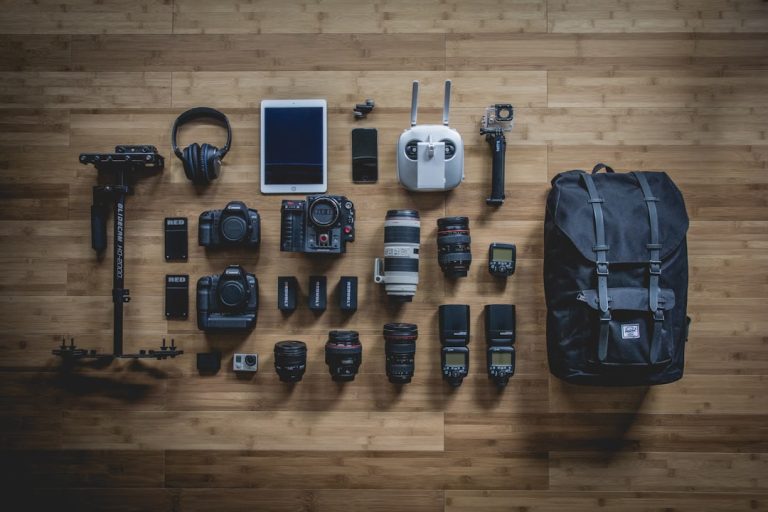
Let’s start with the equipment. Cameras and lenses, much like any other electronics, involve materials and processes that can be harmful to the environment. One simple way to minimize impact is by purchasing second-hand or refurbished gear. This not only reduces waste but also can save you a considerable amount of money. Many online marketplaces offer high-quality used equipment, often backed by warranties.
Next, consider the materials used in photography. Traditional film photography, while nostalgic and artistically appealing, involves chemicals that can be harmful if not disposed of properly. If you’re drawn to the allure of film, look for labs that offer eco-friendly developing processes or explore digital film emulators to get the aesthetic without the waste.
Digital photographers should also be mindful of their energy use. A surprising amount of energy can be consumed in the editing process, especially if you’re working on a high-performance computer. Consider energy-efficient models or adjusting your settings to save power. Additionally, backing up your images to cloud services is often more energy-efficient than running external hard drives.
On the road, opt for solar-powered chargers to keep your equipment running. These are especially handy for photographers who shoot in remote locations or prefer outdoor adventures. They allow you to keep your devices charged without relying on non-renewable energy sources.
When it comes to accessories, choose those made from sustainable materials. Bamboo tripods, for instance, are a fantastic alternative to the traditional aluminum or carbon fiber options. They’re sturdy, lightweight, and have a much lower environmental impact.
For printing, choose recycled paper and environmentally friendly inks. Many printing services now offer these options, and the quality can be just as good as conventional methods. Some companies even specialize in eco-friendly photo books and prints.
Moreover, consider the impact of your subject matter. As a photographer, you have the power to raise awareness about environmental issues. Documenting the beauty of natural landscapes or the impact of human activity on the environment can be a powerful way to advocate for change. These images can inspire others to appreciate and protect the natural world.
Finally, engage with the community. Join photography groups focused on sustainable practices. Sharing tips, experiences, and challenges with others can help you stay committed to eco-friendly photography and inspire others to do the same.
In conclusion, photography and environmental responsibility can go hand in hand. By making thoughtful choices about equipment, processes, and subject matter, photographers can continue to capture the beauty of the world without contributing to its degradation. Every small change counts, and collectively, they can lead to a significant impact. So, next time you set out to capture that perfect shot, consider how you can make your photography practice a little greener.