The Magic of Minimalism: How to Build a Budget-Friendly Photography Kit
Photography is a captivating art form that allows us to capture the beauty of the world through our own unique lenses. But often, the thought of purchasing expensive equipment can deter budding photographers from diving into this creative field. The good news? Building a functional and effective photography kit doesn’t have to break the bank. Let’s explore how minimalism can be your ally in crafting a budget-friendly photography setup.
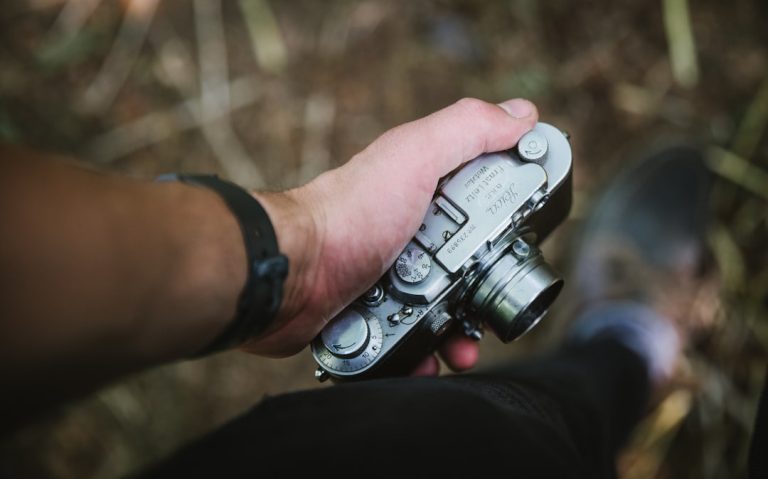
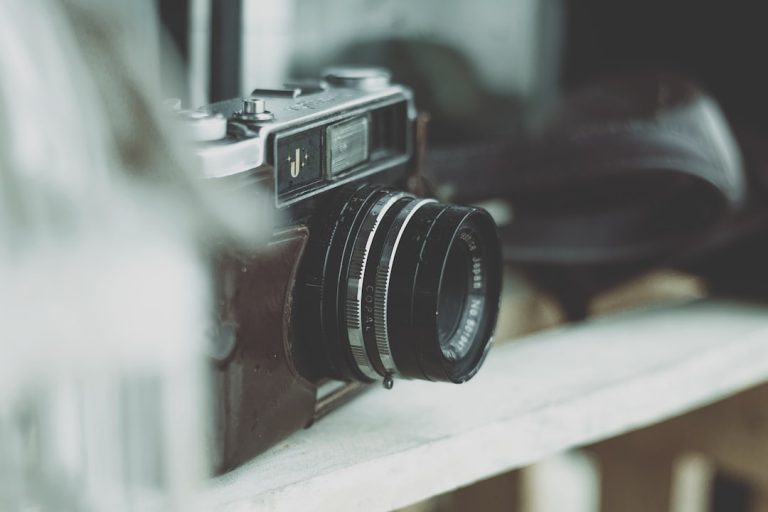
First, let’s tackle the misconception that you need the latest, most expensive camera to produce stunning images. Many successful photographers started with basic models and gradually upgraded as their skills improved. Consider investing in a reliable entry-level DSLR or mirrorless camera. Brands like Canon, Nikon, and Sony offer models that balance affordability with performance, perfect for beginners looking to hone their skills.
Lenses are another area where minimalism shines. Instead of splurging on multiple lenses, begin with a versatile 50mm prime lens, often referred to as the ‘nifty fifty.’ This lens is not only affordable but also highly effective in various photography styles, from portraits to street photography. Its wide aperture allows for beautiful background blur and excels in low-light conditions, making it a favorite among budget-conscious photographers.
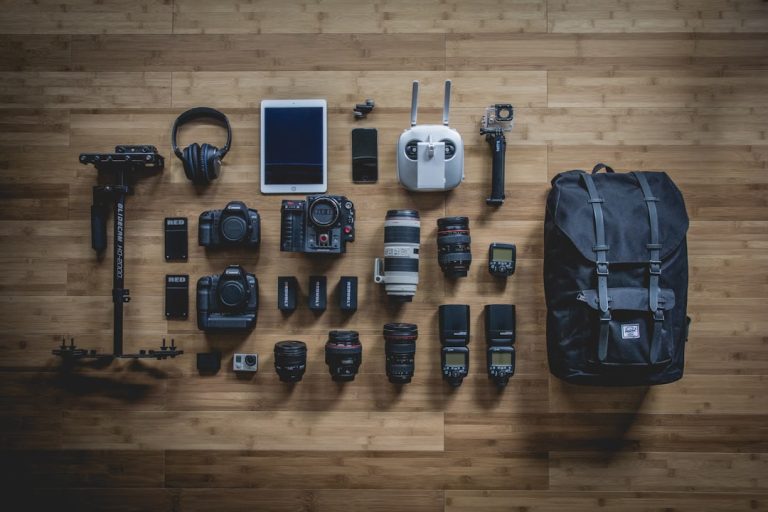
When it comes to accessories, less is often more. A sturdy, lightweight tripod is a must-have for capturing long-exposure shots and keeping your camera steady. Look for options that offer a good balance between price and portability. Similarly, invest in a basic camera bag to protect your gear while on the go. Remember, a few well-chosen accessories can greatly enhance your photography experience without overwhelming your budget.
Lighting is a crucial element in photography, and understanding natural light can save you a considerable amount of money. Mastering the art of shooting in natural light not only improves your skills but also eliminates the need for expensive lighting equipment. For those occasional indoor shoots, a basic reflector or a budget-friendly external flash can work wonders.
Don’t underestimate the power of post-processing software. Programs like Adobe Lightroom offer student and beginner discounts, providing powerful tools to enhance your photos without requiring costly investments. Additionally, free alternatives like GIMP and Darktable offer robust features for photographers looking to edit their images on a budget.
As you build your kit, consider the potential of buying used or refurbished equipment. Online platforms and photography communities often have excellent deals on second-hand gear, allowing you to save money while still acquiring quality equipment.
Finally, embrace the community aspect of photography. Joining local photography clubs or online forums can provide valuable insights and tips from experienced photographers. You’ll learn new techniques, discover hidden locations for shoots, and gain feedback on your work—all without spending a dime.
In conclusion, building a photography kit on a budget is not only feasible but can also lead to more intentional and creative work. By focusing on quality over quantity and prioritizing essential gear, you’ll set yourself up for success without unnecessary financial strain. Remember, the heart of photography lies in your ability to see the world in unique ways—not in the cost of your equipment. So, grab your camera and start capturing the beauty that surrounds you!